Development of Neural Circuits Lab
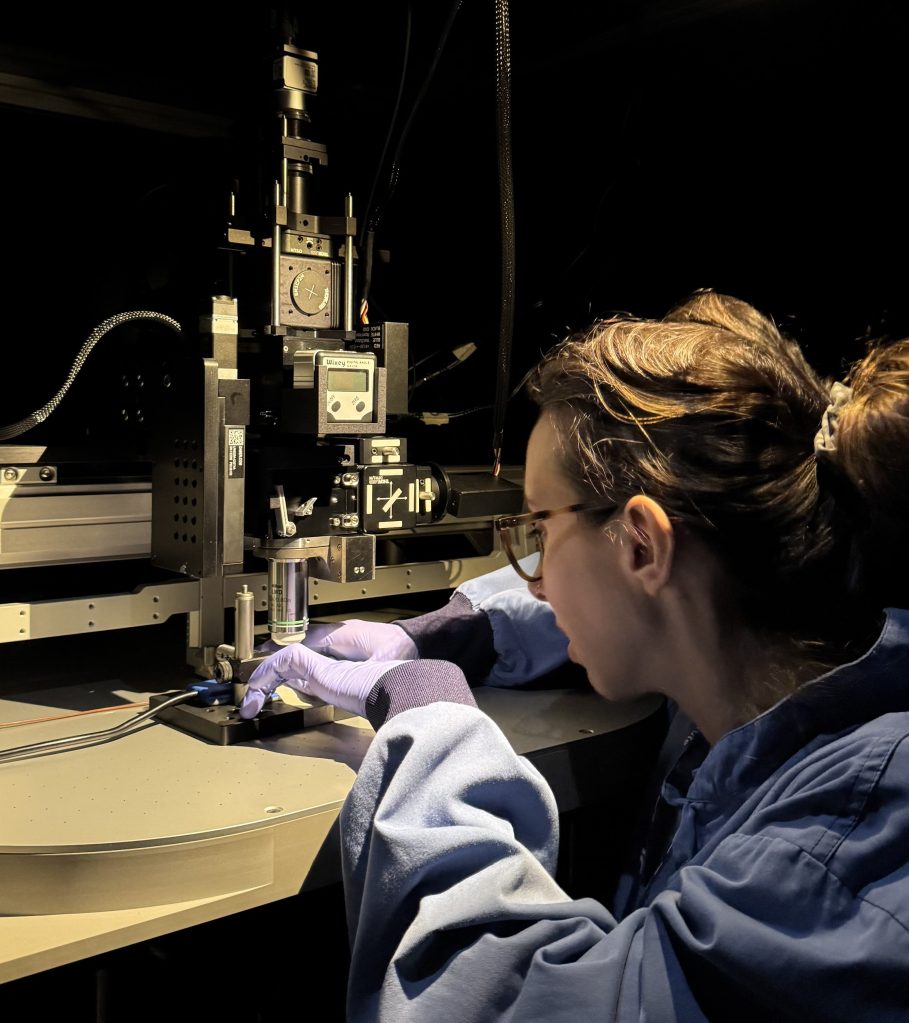
ModolLab investigates the mechanisms driving the development of cortical circuits using in vivo 2-photon microscopy, behavioural assessments, and computational modelling.
Research Programme
Defining the Problem
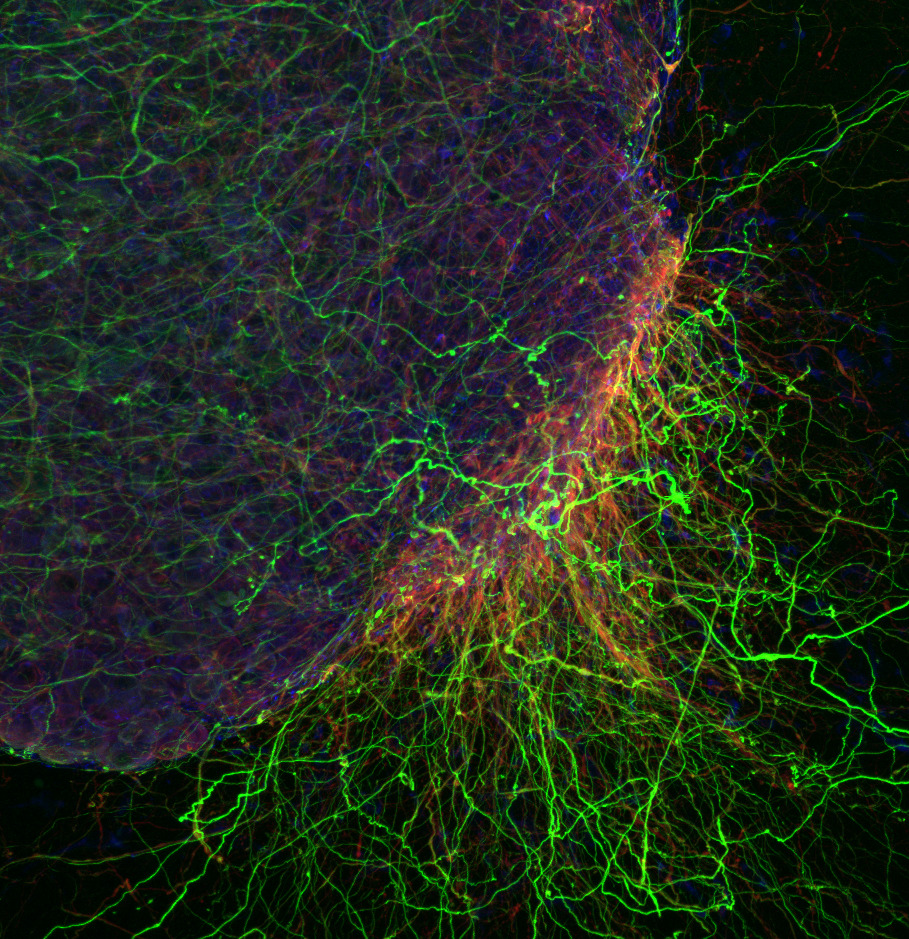
Understanding how the brain develops in health and disease remains a major challenge in modern neuroscience. The assembly of cortical circuits is shaped by developmental periods defined by patterns of neuronal activity, in which GABAergic interneurons play a central role. Disruptions during these critical windows, particularly in cortical regions involved in higher-order cognitive and emotional processing, can have lasting effects on brain function and behaviour, increasing vulnerability to later neuropsychiatric disorders.
Our Approach
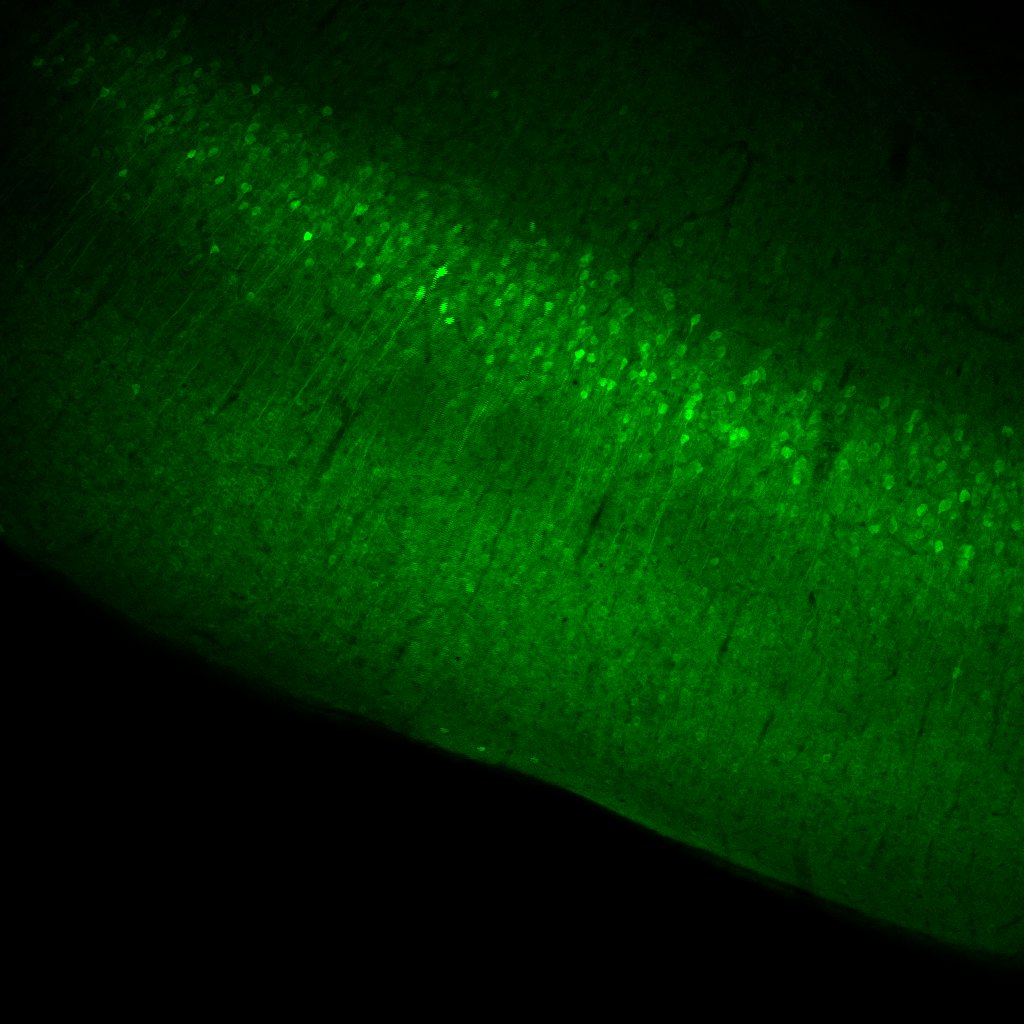
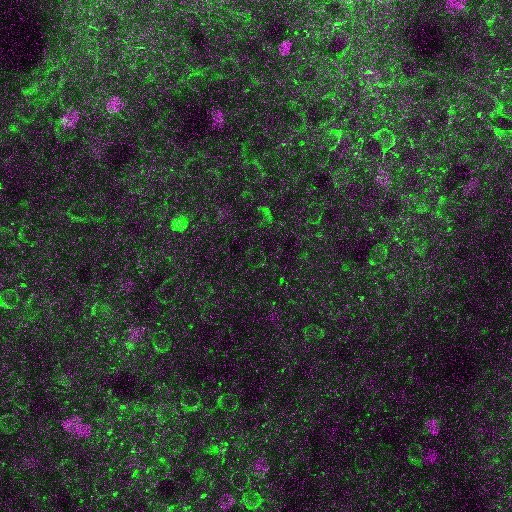
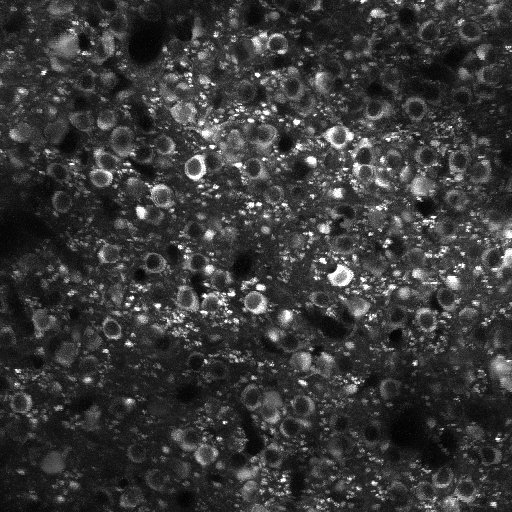
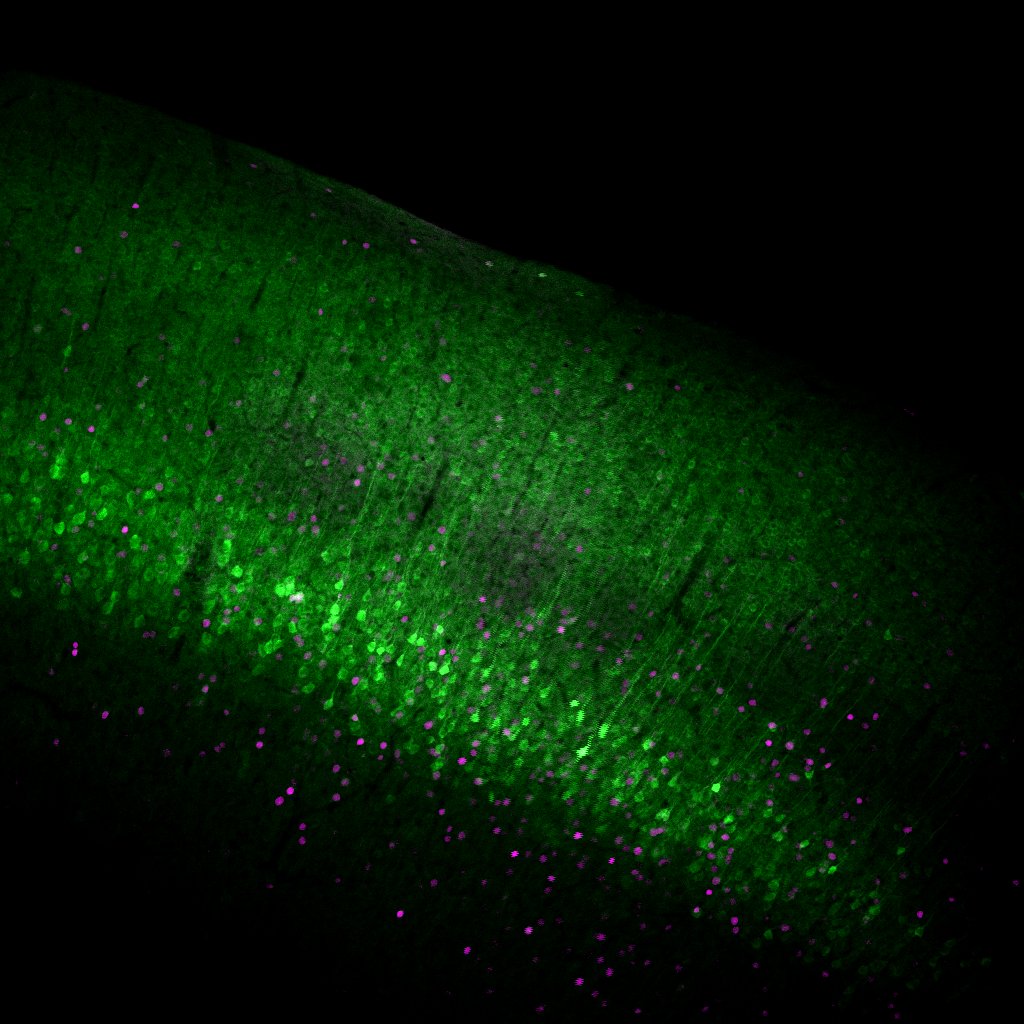
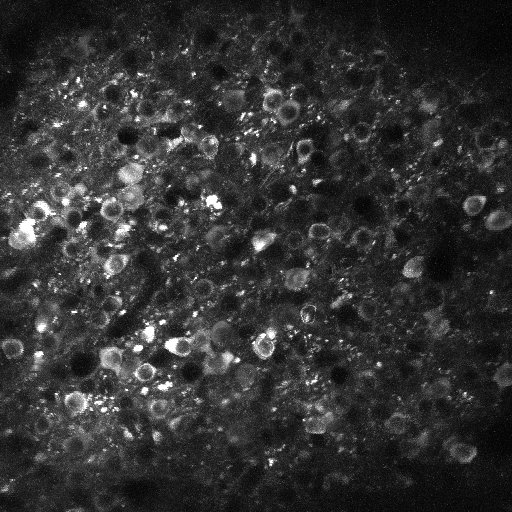
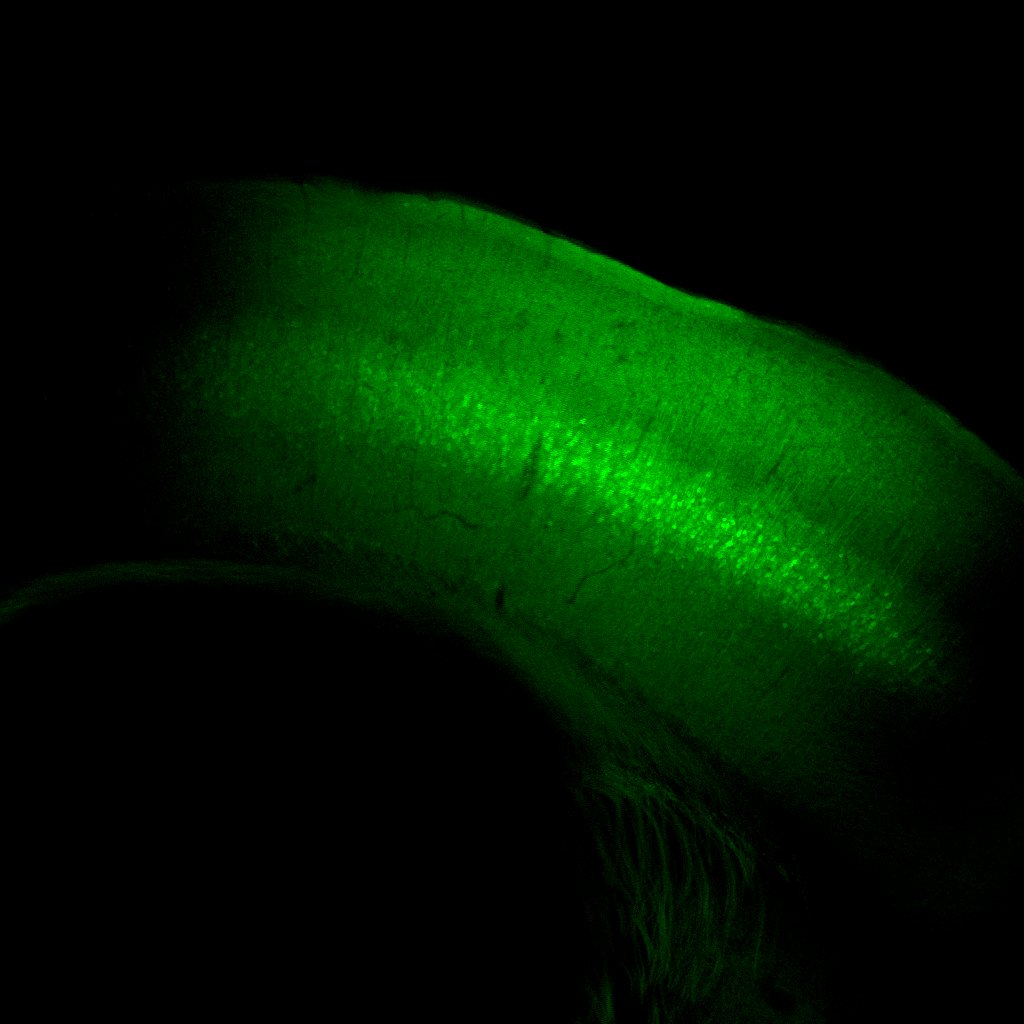
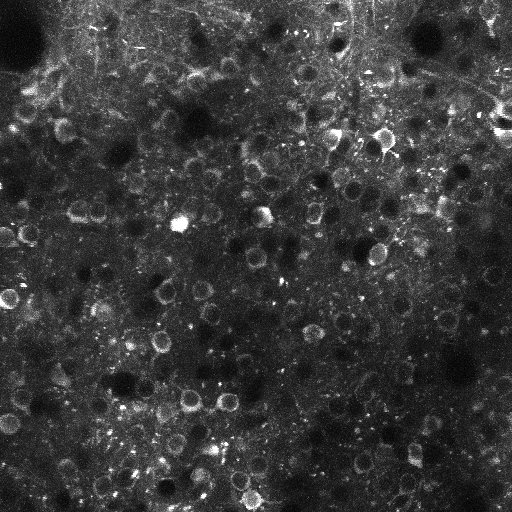
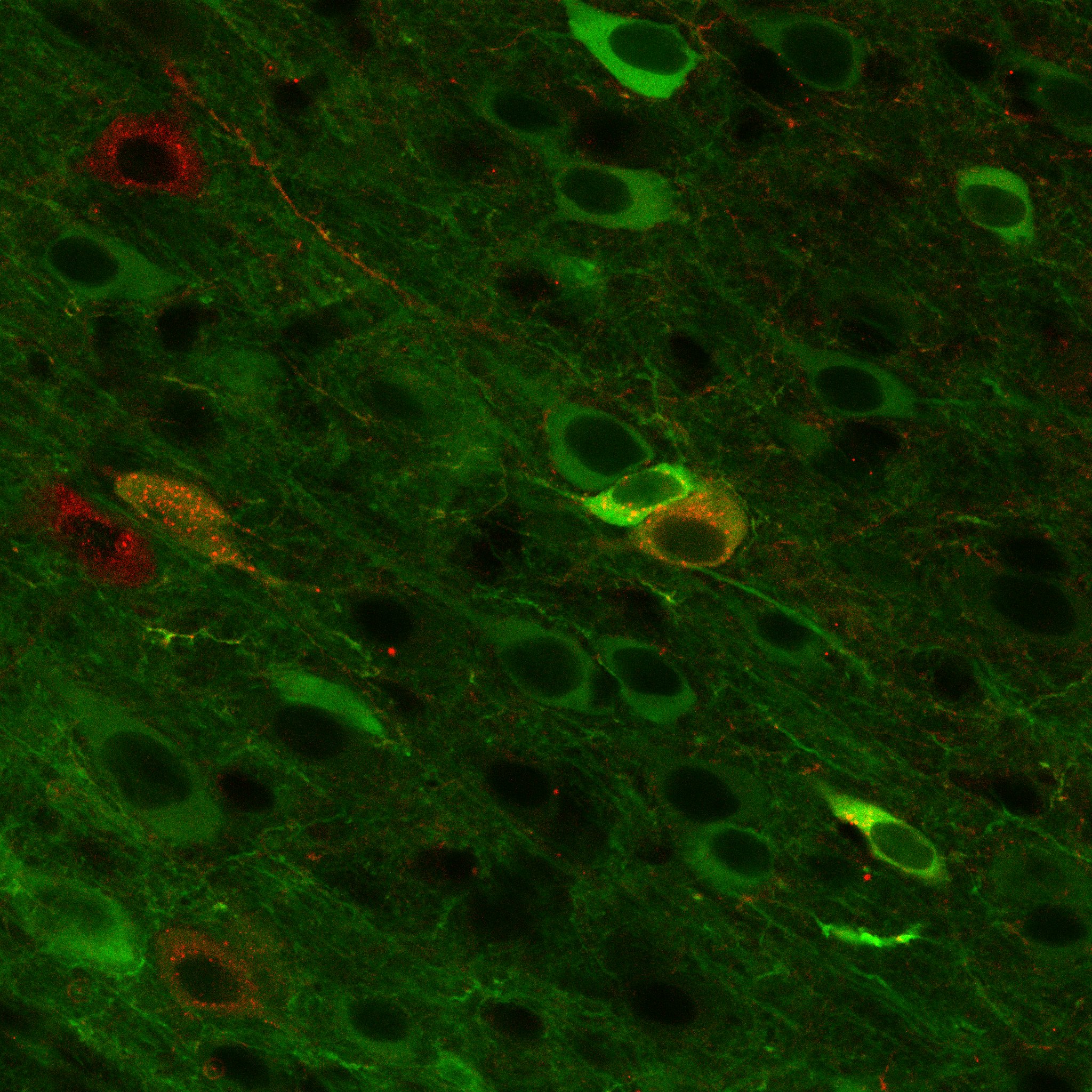
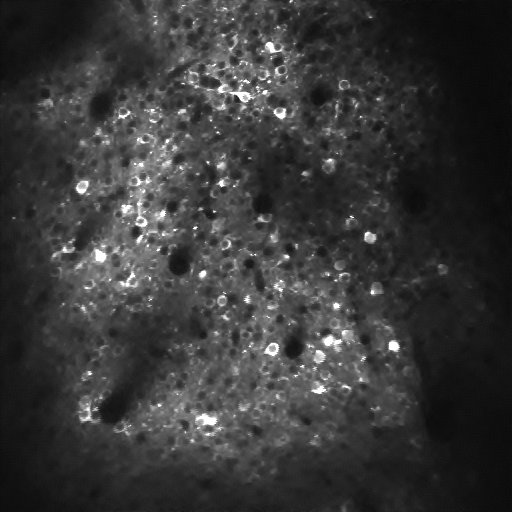
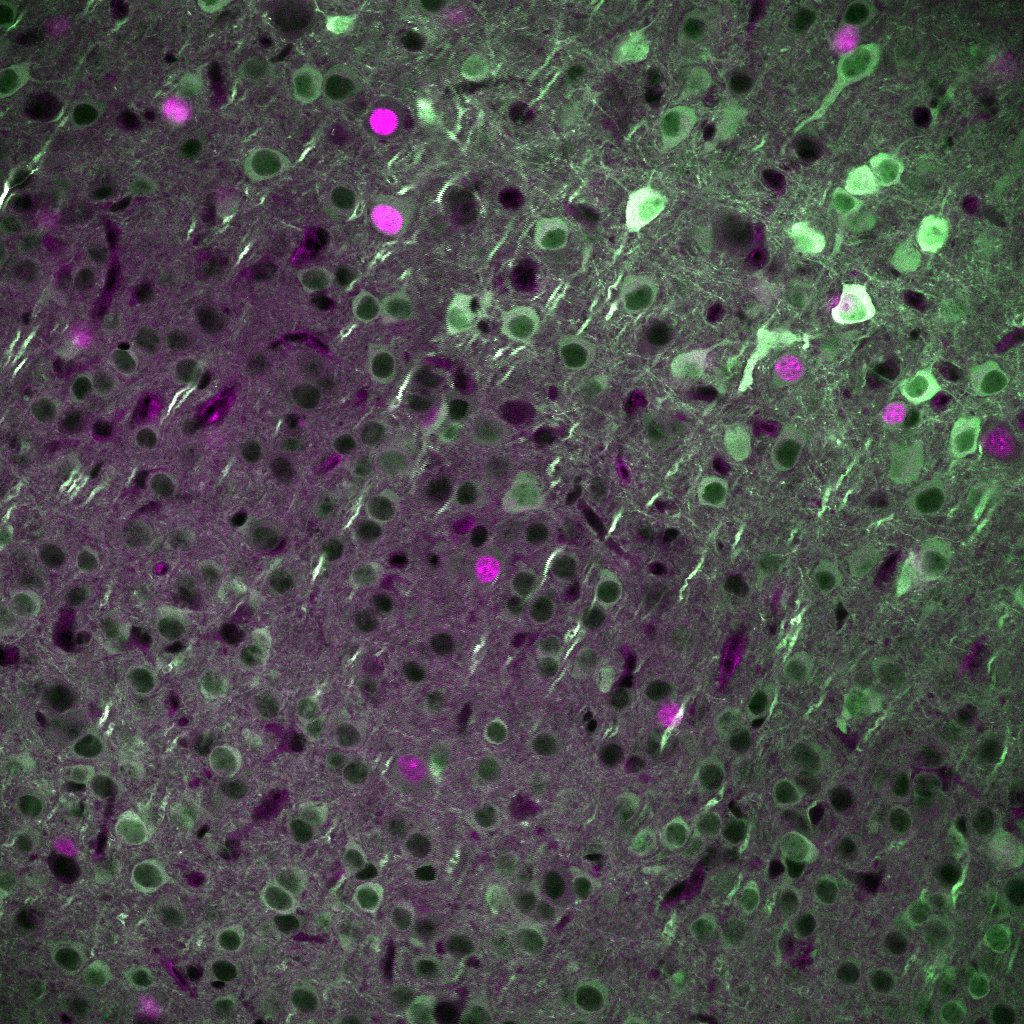
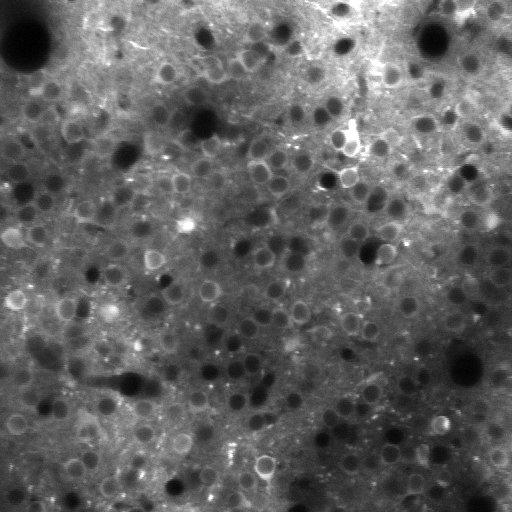
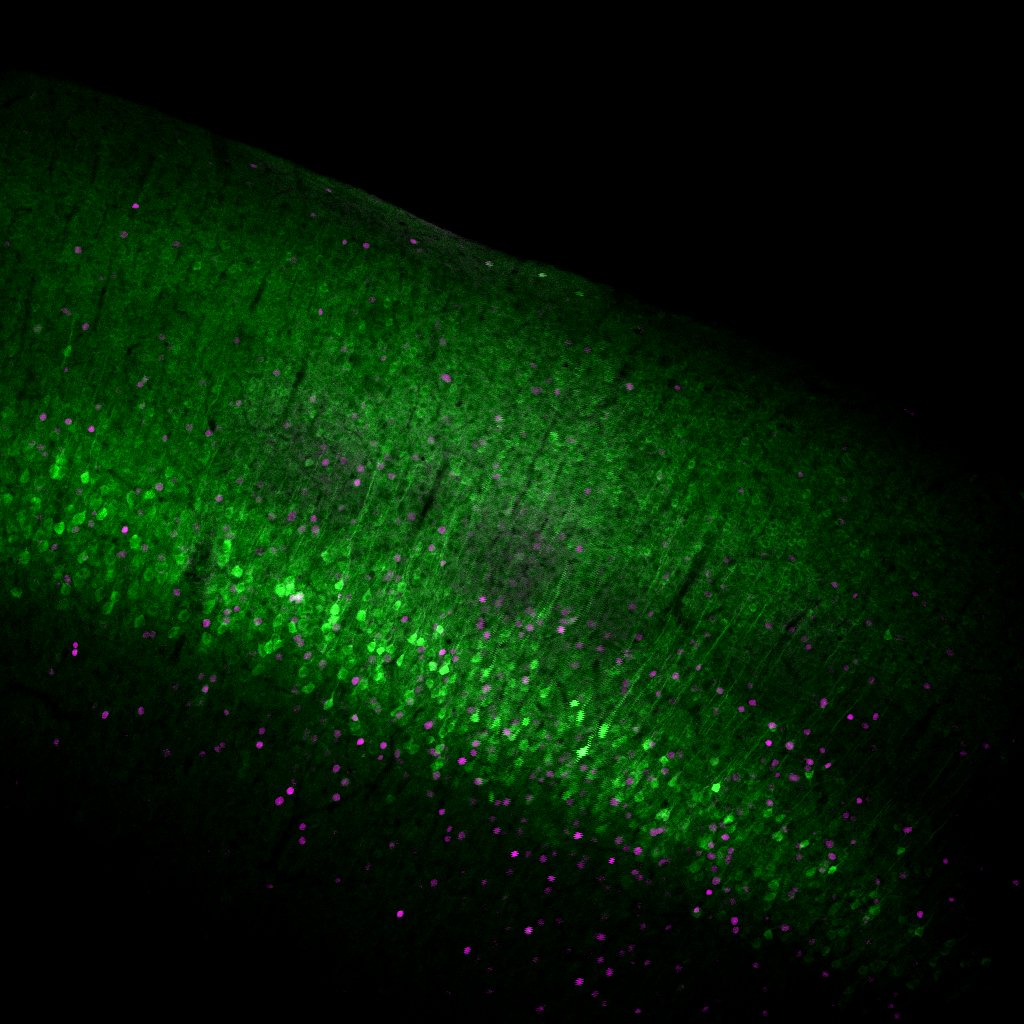
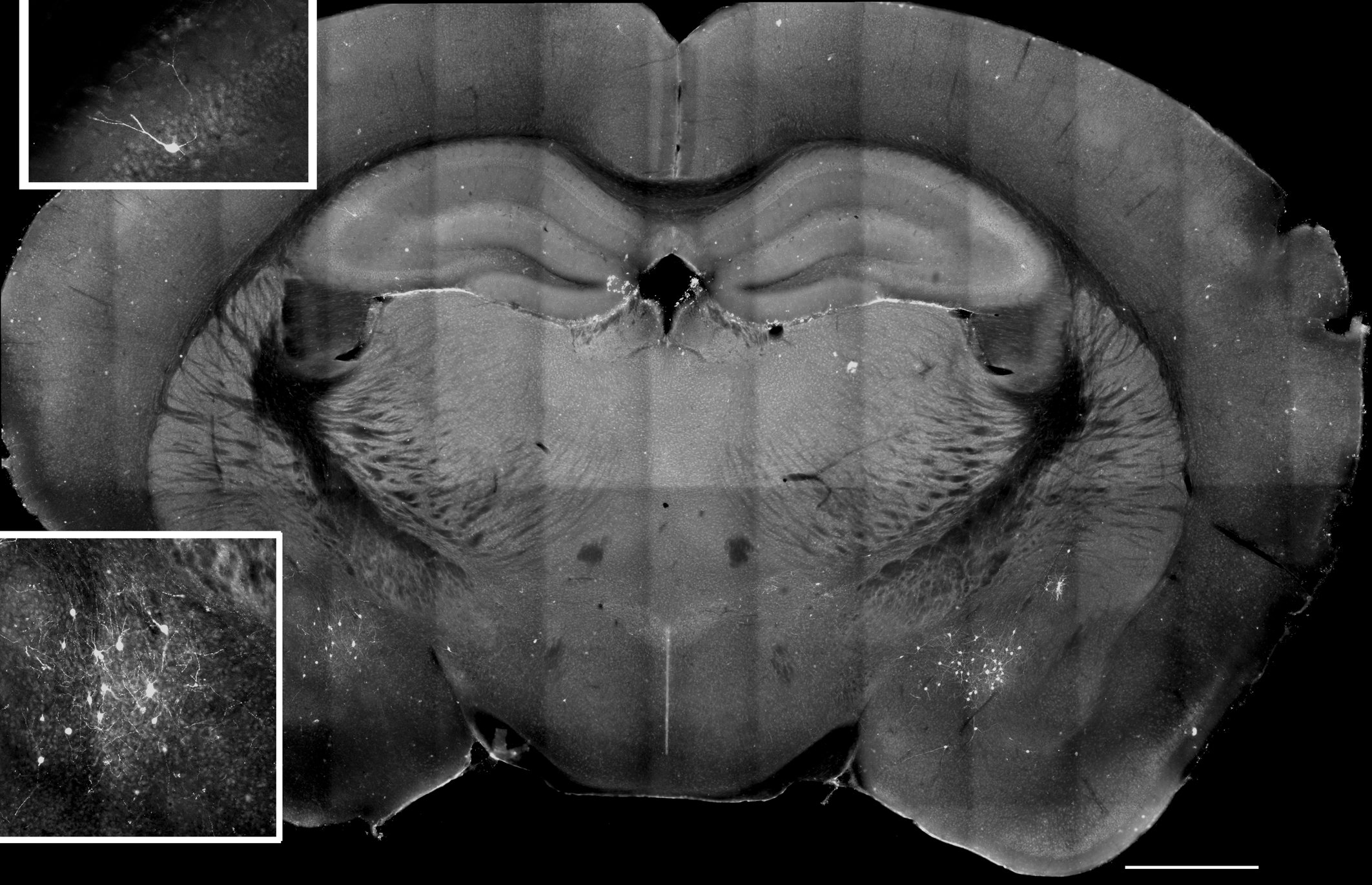
Investigating changes in spontaneous and evoked activity patterns requires the highest possible resolution to monitor hundreds of cortical cells while targeting interneuron subtypes. Accordingly, our approach involves functionally characterising network dynamics using highly specialised techniques, such as in vivo longitudinal and volumetric 2-photon Ca2+ imaging in pups, as well as molecular profiling with viral tracing, chemogenetics, and transgenic mouse lines. Behavioural assessments and mathematical modelling provide us with a comprehensive view of circuit development and its functional consequences.

Impact and Significance
Our overarching goal is to uncover the developmental principles underlying brain function, behaviour and susceptibility to dysfunction. By studying cortical circuit assembly during early postnatal development, this research addresses a key gap in neuroscience at a stage where many fundamental questions remain unexplored. In the longer term, we expect that the insights generated help lay the foundation for new approaches to prevention, early support, and a deeper understanding of the developmental origins of mental health vulnerability.